英语教学法教程 Unit 15 课件
Unit 15: Computer-Assisted Language Learning (CALL)
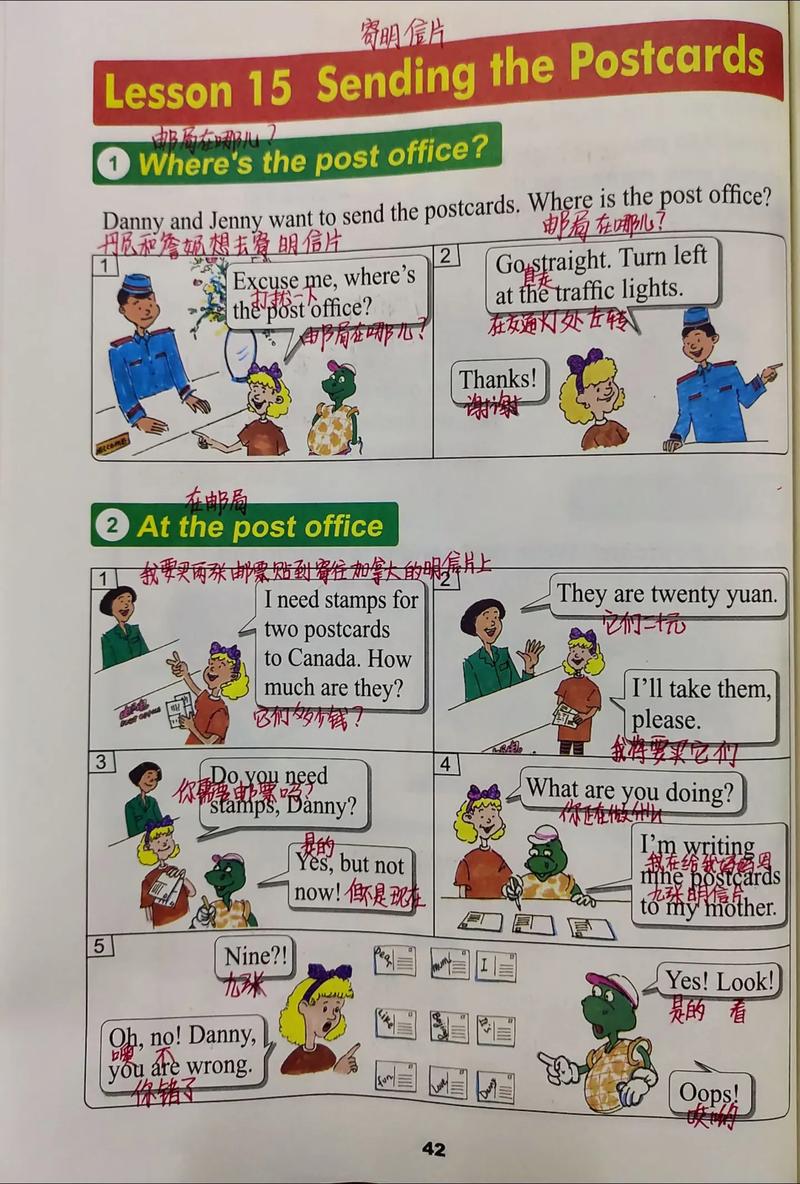
幻灯片 1: 封面页
- Unit 15: Computer-Assisted Language Learning (CALL)
- The Role of Technology in English Language Teaching
- 图片: 一张展示学生在电脑前使用语言学习软件或进行在线互动的图片。
- 信息: English Language Teaching Methodology Course
幻灯片 2: 单元目标
- By the end of this unit, you will be able to:
- Define Computer-Assisted Language Learning (CALL) and understand its fundamental concepts.
- Trace the historical development of CALL through its main stages.
- Distinguish between different CALL models (e.g., Behavioristic, Communicative, Integrative).
- Identify the main advantages and challenges of using technology in language classrooms.
- Evaluate the role of the teacher in a technology-rich learning environment.
- Discuss future trends in CALL.
幻灯片 3: 什么是计算机辅助语言学习?
- What is CALL?
- 定义: Computer-Assisted Language Learning (CALL) is the search for and study of applications of the computer in language teaching and learning.
- 核心思想: It is not about replacing the teacher, but enhancing the learning process and providing new opportunities for interaction and practice.
- Tool: The computer as a tool for learning.
- Medium: The computer as a medium for communication.
- Tutor: The computer as an intelligent tutor.
- Learner-Centered: Focus on the learner's needs and pace.
幻灯片 4: CALL的发展历程:三代演变
- The Evolution of CALL: Three Generations
- 图表: 一个时间轴或三列表格,清晰地展示三代CALL的特点。
| Generation | Time Period | Theoretical Basis | Key Features |
|---|---|---|---|
| Behavioristic CALL | 1970s - 1980s | Behaviorist Psychology (Skinner) | - Drill-and-practice - Repetition & reinforcement - Text-based, no graphics - Focus on accuracy & grammar |
| Communicative CALL | 1980s - 1990s | Cognitive & Communicative Theories | - Focus on meaning & communication - Simulations & games - Problem-solving activities - Interactive & discovery learning |
| Integrative CALL | 1990s - Present | Constructivism & Sociocultural Theory | - Multimedia & hypermedia - Internet & Web 2.0 - Authentic materials & tasks - Collaborative learning & social interaction |
幻灯片 5: 第一代:行为主义CALL
- Behavioristic CALL: The Drill-and-Practice Era
- 理论基础: B.F. Skinner's Operant Conditioning. Language learning is a process of habit formation.
- 软件示例: PLATO, Drill-and-practice programs for grammar and vocabulary.
- 特点:
- Computer acts as a tutor.
- Stimulus-Response-Reinforcement model.
- Focus on form (grammar rules) rather than meaning.
- Little to no error feedback; often just "Correct/Incorrect".
- 局限: Mechanical, passive learning, ignores communicative competence.
幻灯片 6: 第二代:交际式CALL
- Communicative CALL: The Interactive Era
- 理论基础: Cognitive theories (learning is an internal, constructive process) and Communicative Language Teaching.
- 软件示例: Text-based adventure games, simulations.
- 特点:
- Computer acts as a stimulus or a partner.
- Focus on meaning and communication.
- Allows for discovery learning and experimentation.
- Provides more contextualized and meaningful feedback.
- 进步: Learners are more active and engaged. Learning is more communicative.
幻灯片 7: 第三代:整合式CALL
- Integrative CALL: The Multimedia & Internet Era
- 理论基础: Constructivism and Sociocultural Theory. Learning is a social, collaborative process of constructing knowledge.
- 技术平台: The Internet, Web 2.0, Mobile Learning (MALL).
- 特点:
- Multimedia: Combines text, audio, video, and images for a rich sensory experience.
- Authenticity: Uses real-world materials (news, videos, podcasts).
- Interactivity & Collaboration: Blogs, wikis, social media, online forums, video conferencing (e.g., Zoom, Teams).
- Personalization & Learner Autonomy: Learners can choose content and set their own pace.
- 核心理念: Technology is seamlessly integrated into all aspects of language learning.
幻灯片 8: 主要的CALL教学模式
- Major CALL Models in Practice
- Computer as Tutor (Tutor Mode):
The computer teaches the student. (e.g., language apps like Duolingo, grammar exercises).
- Computer as Tool (Tool Mode):
The student uses the computer to create something or complete a task. (e.g., using Word for writing, PowerPoint for presentations, Audacity for recording).
- Computer as Medium (Mode/Maze Mode):
The computer facilitates communication between the student and others. (e.g., email, chat rooms, video calls with native speakers).
- Computer as Context (Data Source Mode):
The computer provides a rich source of authentic language data for exploration. (e.g., using a corpus to study word usage, analyzing a news article online).
 (图片来源网络,侵删)
幻灯片 9: CALL的优势
- Advantages of CALL
- For Learners:
- Motivation & Engagement: Games, multimedia, and interactive content are more engaging.
- Individualization: Learners can learn at their own pace and focus on their weaknesses.
- Authentic Materials: Access to a vast amount of real-world language (news, movies, music).
- Safe Environment: A place to practice without fear of making mistakes in front of others.
- Development of Autonomy: Encourages self-directed learning.
- For Teachers:
- Efficiency: Automates grading and provides instant feedback.
- Rich Resources: Access to a wide range of teaching materials.
- New Teaching Methods: Facilitates project-based learning and flipped classrooms.
幻灯片 10: CALL的挑战与问题
- Challenges and Concerns of CALL
- Access & Equity:
The "digital divide" – not all students have equal access to computers and the internet.
- Technical Issues:
Software/hardware problems, unreliable internet connection.
- Pedagogical Integration:
Using technology for its own sake, without clear pedagogical goals. "Edutainment" vs. effective learning.
- Teacher Training:
Many teachers lack the necessary skills and confidence to integrate technology effectively.
 (图片来源网络,侵删)
 - Over-reliance:
Risk of reducing human interaction and devaluing the role of the teacher.
- Cost:
Developing high-quality educational software can be expensive.
幻灯片 11: 教师在CALL中的新角色
- The Teacher's Role in the Age of CALL
- From "Sage on the Stage" to "Guide on the Side"
- New Roles:
- Facilitator: Guides students through online activities and projects.
- Designer/Developer: Creates or adapts digital learning materials.
- Collaborator: Engages in online discussions and projects with students.
- Technician & Troubleshooter: Helps students with technical problems.
- Assessor: Uses digital tools to track student progress and provide feedback.
- 不变的核心: The teacher remains the source of inspiration, cultural mediator, and motivator.
幻灯片 12: 未来趋势
- Future Trends in CALL
- Mobile-Assisted Language Learning (MALL): Learning on the go via smartphones and tablets.
- Artificial Intelligence (AI) & Adaptive Learning: AI-powered tutors that adapt to individual learner needs in real-time.
- Gamification: Using game elements (points, badges, leaderboards) to increase motivation.
- Virtual Reality (VR) & Augmented Reality (AR): Creating immersive, simulated environments for realistic language practice (e.g., virtual travel, job interviews).
- Learning Analytics: Using data from online platforms to understand learning patterns and improve instruction.
- Social Learning: Increased use of social media and collaborative platforms for community-based learning.
幻灯片 13: 总结
- Summary
- CALL has evolved from simple drill-and-practice to a rich, interactive, and integrated part of modern language teaching.
- It offers tremendous opportunities for personalized, authentic, and engaging learning.
- However, its success depends not on the technology itself, but on how it is integrated into sound pedagogical practice.
- The most crucial element remains the teacher, who skillfully guides, inspires, and supports learners in this digital landscape.
幻灯片 14: 讨论与思考
- Discussion & Reflection
- Questions for you:
- What is your experience with using technology to learn a language? What was effective or ineffective?
- How can a teacher successfully balance the use of technology with traditional teaching methods?
- What do you think is the biggest challenge in implementing CALL in your context (e.g., a school in China)?
- Which future trend in CALL (AI, VR, MALL) do you find most exciting? Why?
幻灯片 15: 参考文献 & 推荐阅读
- References:
- Chapelle, C. A. (2001). Computer Applications in Second Language Acquisition: Foundations for Teaching, Testing and Research. Cambridge University Press.
- Warschauer, M. (1996). Computer-Mediated Collaborative Learning: Theory and Practice. Modern Language Journal.
- 王蔷. (2025). 英语教学法教程(第二版). 高等教育出版社.
- Further Reading:
- Articles on the use of AI in language learning.
- Case studies on successful MALL implementation.